Optimal Timing for Roof Inspections
Determining the optimal time for roof inspections is essential for maintaining the integrity of a roof and preventing costly repairs. The most suitable periods are typically during mild weather conditions when access is safer and the roof is less likely to be damaged by adverse elements. Inspections in spring and fall are recommended to identify issues caused by seasonal changes, such as storm damage or wear from temperature fluctuations.
Spring inspections help identify damage from winter storms and assess the roof's condition after harsh weather.
Fall inspections prepare the roof for winter, checking for vulnerabilities before snow and ice accumulation.
Inspections after storms ensure any damage from wind, hail, or heavy rain is promptly addressed.
Regular inspections, typically annually, help detect minor issues before they escalate.
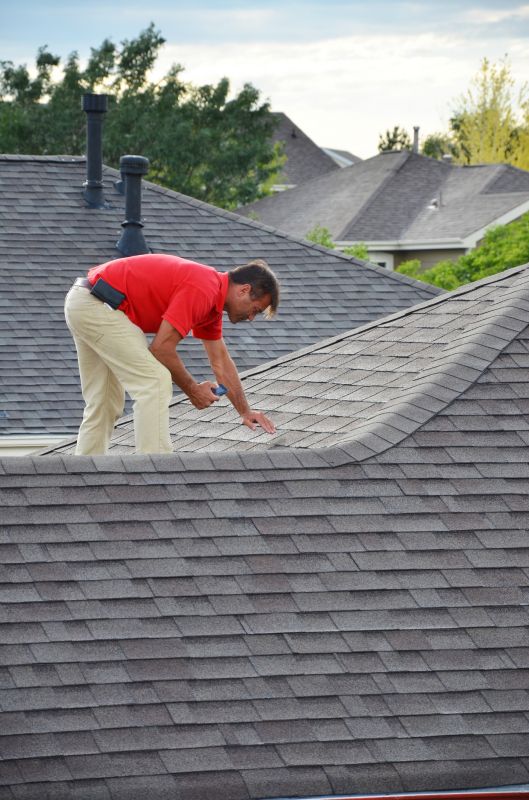
Spring is ideal for assessing winter damage and preparing for upcoming seasons.
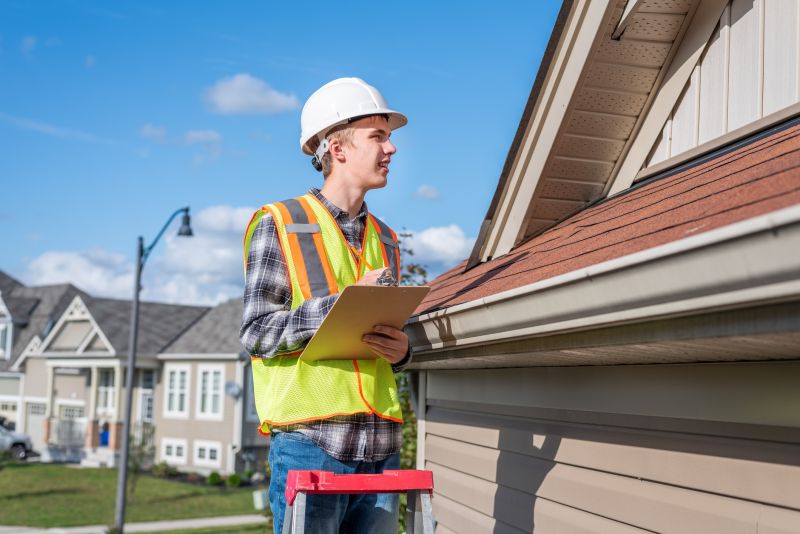
Fall inspections help identify vulnerabilities before winter weather sets in.
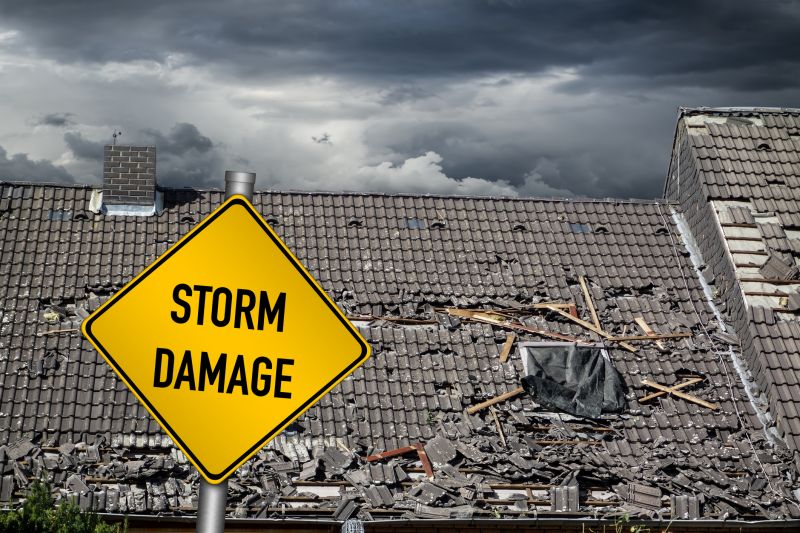
Inspecting after storms ensures early detection of damage caused by severe weather.

Ways to make Roof Inspections work in tight or awkward layouts.
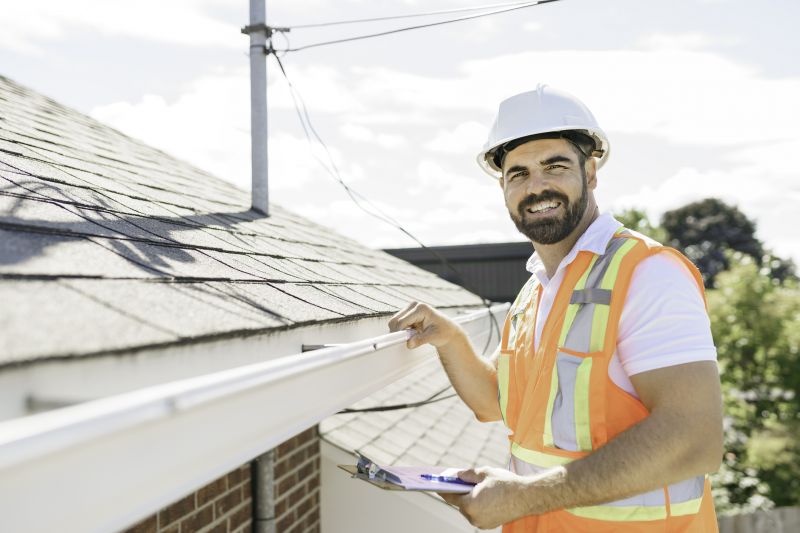
Popular materials for Roof Inspections and why they hold up over time.
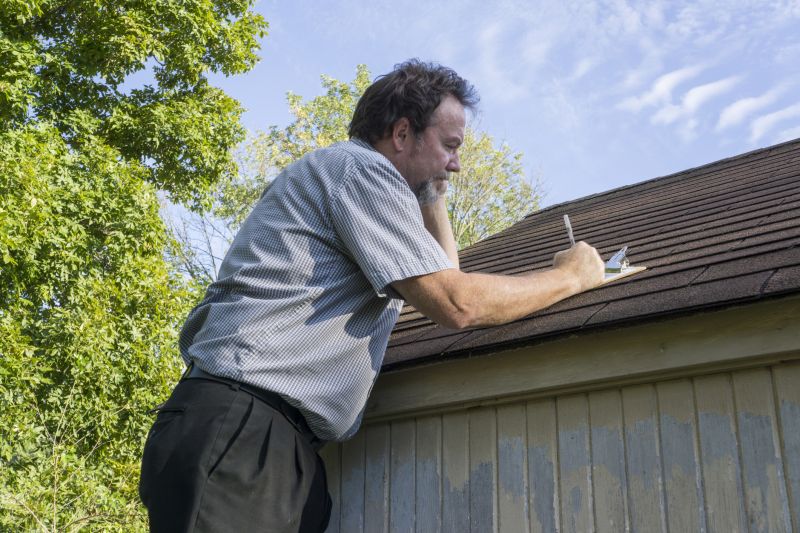
Simple add-ons that improve Roof Inspections without blowing the budget.
Roof inspections are a critical component of property maintenance. They involve a thorough examination of the roof's surface, flashing, gutters, and other components to identify signs of damage or deterioration. Regular inspections can extend the lifespan of a roof, improve safety, and reduce long-term repair costs. According to industry statistics, timely inspections can prevent up to 80% of potential roof failures by addressing minor issues early.
Statistics show that the majority of roof damages are caused by weather-related events, including wind, hail, and heavy precipitation. Inspections conducted before and after severe weather events can help mitigate these risks. Additionally, inspecting a roof at least once a year is recommended for most property owners, especially in regions with extreme weather conditions.
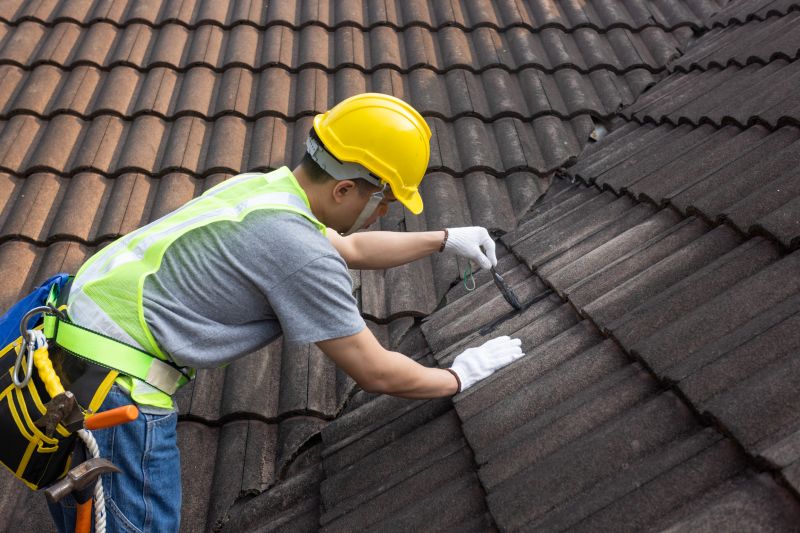
A comprehensive roof inspection includes checking for damage, leaks, and structural integrity.
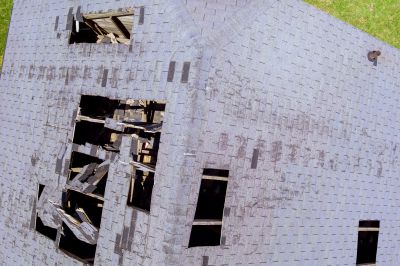
Identifies issues such as missing shingles, cracked flashing, and clogged gutters.
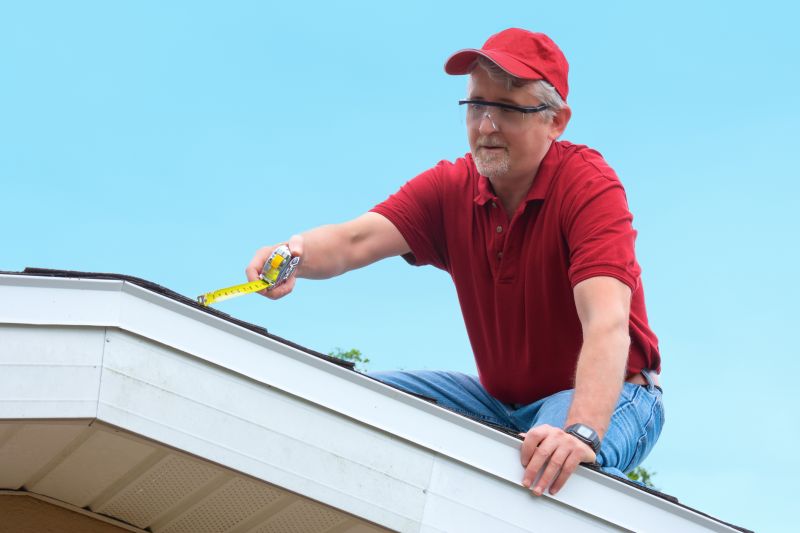
Early detection of problems reduces repair costs and extends roof lifespan.

Professional inspections prioritize safety for both inspectors and property occupants.
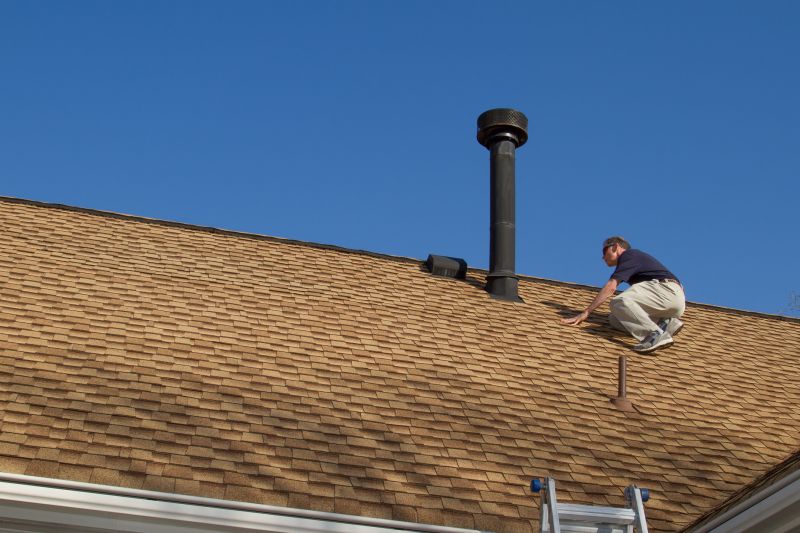
High-end options that actually feel worth it for Roof Inspections.
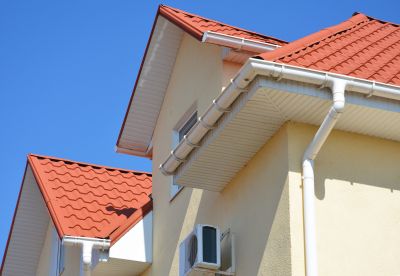
Finishes and colors that play nicely with Roof Inspections.
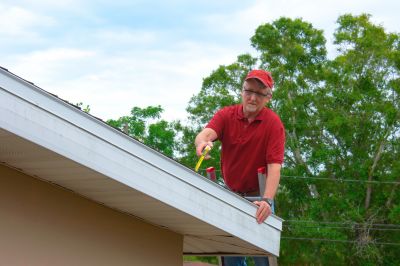
Little measurements that prevent headaches on Roof Inspections day.
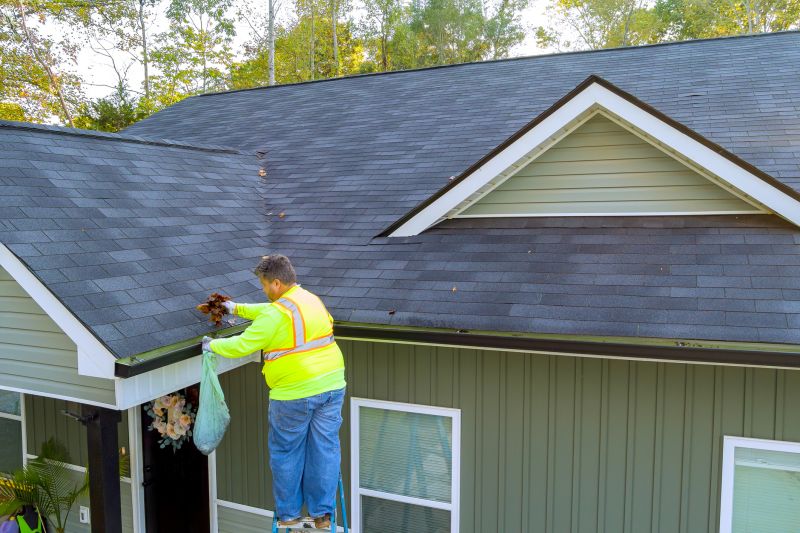
A 60-second routine that keeps Roof Inspections looking new.
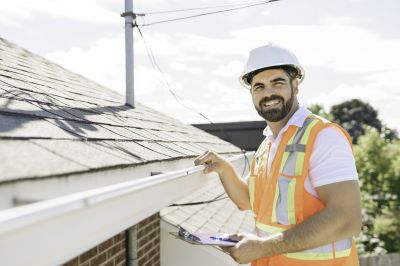
A frequent mistake in Roof Inspections and how to dodge it.
| Season | Recommended Inspection Timing |
|---|---|
| Spring | Assess winter damage and prepare for summer storms. |
| Summer | Periodic inspections to check for heat and sun damage. |
| Fall | Identify vulnerabilities before winter weather. |
| Winter | Limited inspections due to weather, but check for snow and ice buildup. |
| Post-Storm | Immediately after severe weather events to assess damage. |
| Annual | Routine inspection to maintain overall roof health. |
| Pre-Season | Before extreme weather seasons for preparedness. |
Regular roof inspections are vital for early detection of damage and maintenance needs. They help identify issues such as leaks, damaged shingles, or compromised flashing that can lead to more extensive problems if left unaddressed. Scheduling inspections during appropriate seasons ensures the roof remains in optimal condition, ultimately protecting the property and its occupants.
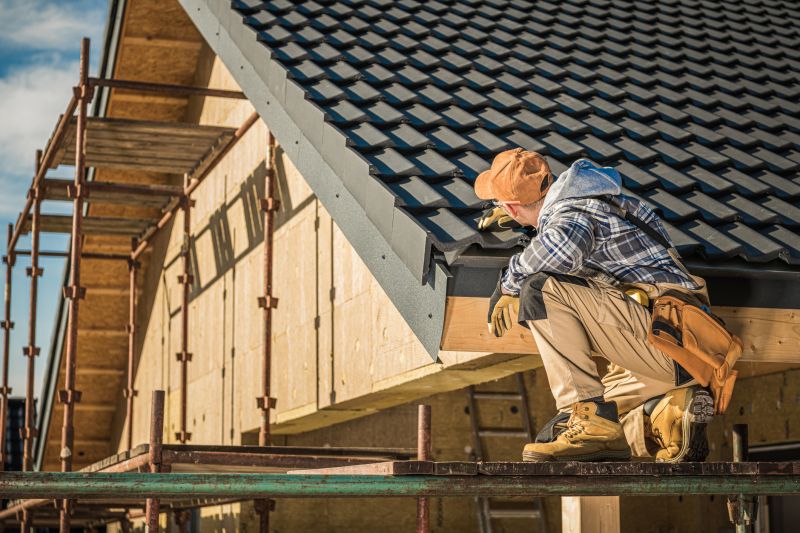
Professional inspectors assess the roof's condition thoroughly.
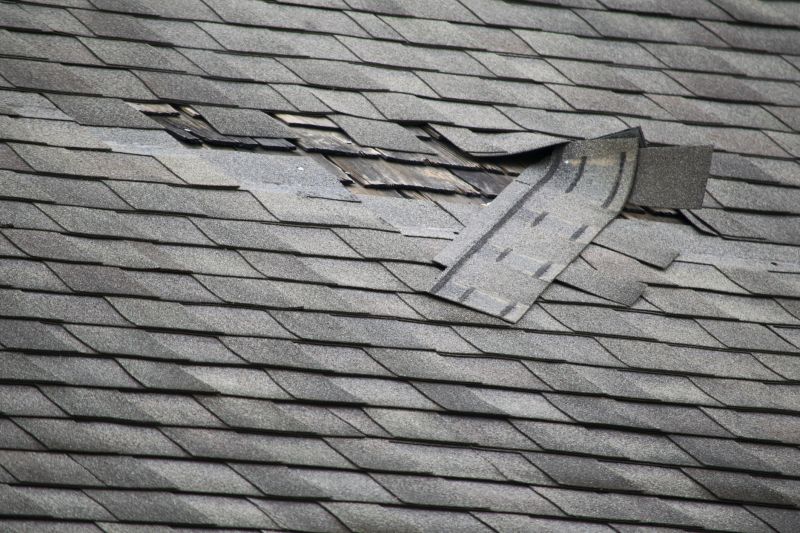
Identifying signs of wear, leaks, and structural issues.
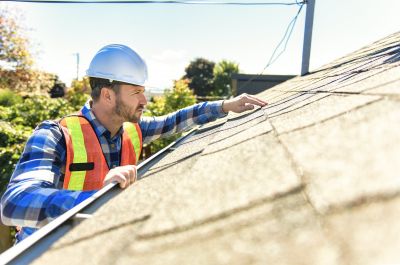
Using inspection results to plan repairs and maintenance.

Small tweaks to make Roof Inspections safer and easier to use.
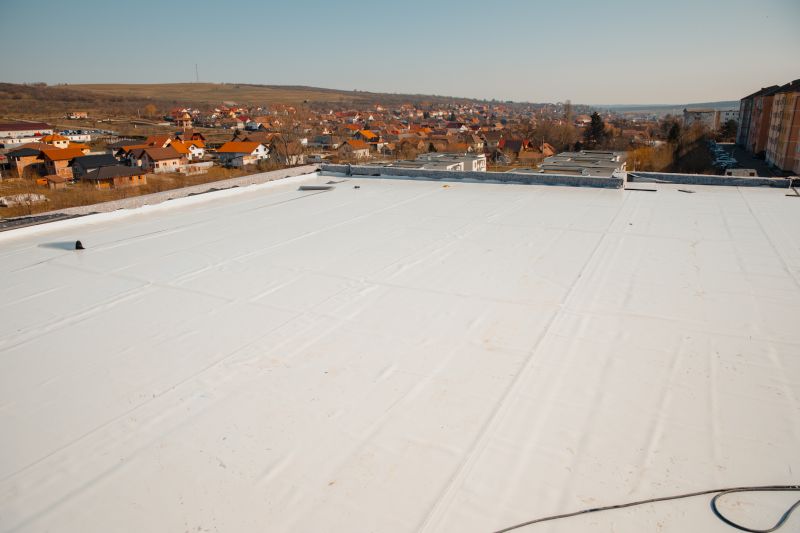
Lower-waste or water-saving choices for Roof Inspections.
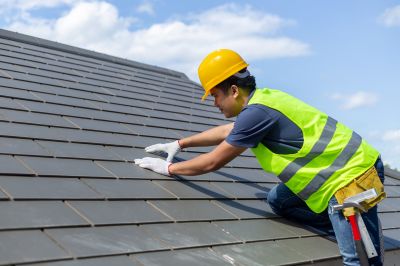
The short, realistic tool list for quality Roof Inspections.
For property owners interested in scheduling roof inspections, filling out the contact form provides a convenient way to receive more information and arrange an inspection at the optimal time. Regular inspections contribute to the longevity and safety of the roof, ensuring protection against seasonal weather challenges.