Common Roofing Issues Found During a Roof Inspection
Roof inspections help identify common roofing issues like leaks, damaged shingles, and deterioration, with local contractors ready to assess and address these problems effectively.
Understanding common roofing issues found during a roof inspection can be an essential step for property owners looking to maintain the integrity of their homes or commercial buildings. Whether preparing for a seasonal change, addressing signs of wear, or simply ensuring that the roof remains in good condition, knowing what problems to look for helps in making informed decisions. Local contractors who specialize in roof inspections can identify these issues early, often preventing more costly repairs down the line and extending the lifespan of the roof.
For property owners in the area, exploring this topic provides practical insights into the health of their roofs and highlights the importance of regular inspections. Many common roofing issues-such as damaged shingles, leaks, or gutter blockages-are easily spotted during a thorough assessment by experienced service providers. Continuing to read can help uncover what to watch for and how local experts can assist in keeping roofs in optimal shape, ensuring peace of mind and ongoing protection for your property.
- Shingle damage - homeowners noticing missing, cracked, or curling shingles during routine inspections can rely on local contractors to assess and repair or replace damaged roofing materials.
- Leaks and water intrusion - signs of water stains or dampness prompt inspections where service providers identify the source of leaks and recommend necessary repairs.
- Gutter and flashing issues - clogged or damaged gutters and flashing are often found during inspections, with local pros providing cleaning and sealing services to prevent further damage.
- Roof sagging or structural concerns - visible sagging or deformities during an inspection indicate potential structural problems that local contractors can evaluate and address.
- Moss, algae, or mold growth - the presence of organic growth on roofing surfaces during inspections signals the need for cleaning and treatment from local service providers.
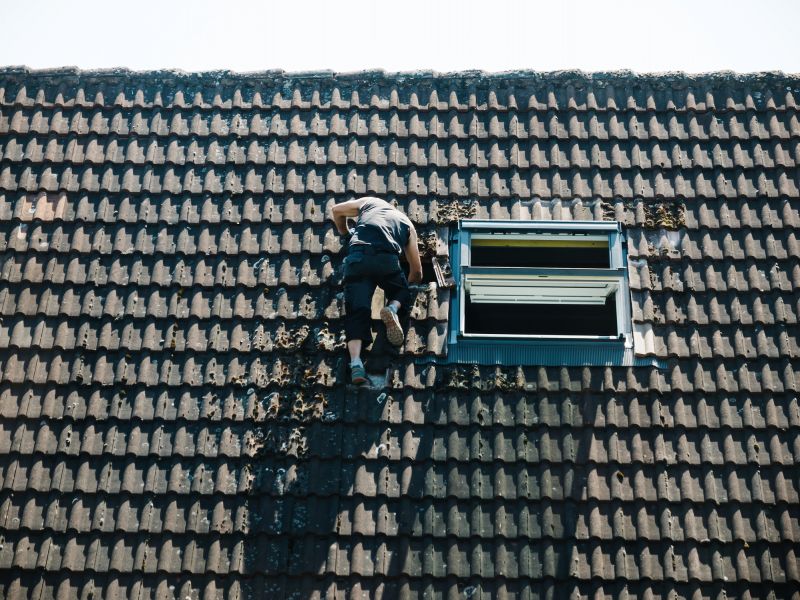

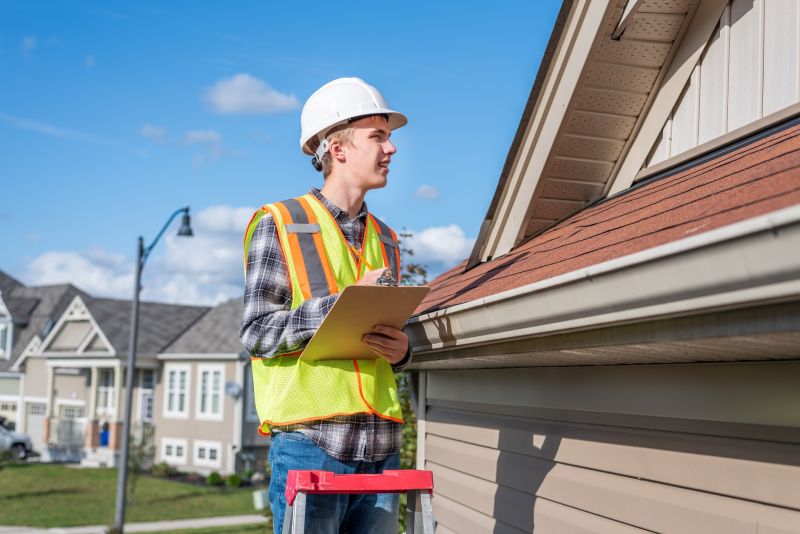
When homeowners search for information about common roofing issues found during a roof inspection, they are often trying to understand what problems might be lurking on their roofs that could lead to costly repairs or damage if left unaddressed. This topic typically relates to concerns about the overall condition of a roof, signs of wear and tear, and potential vulnerabilities that could compromise the roof’s ability to protect the property. People may be preparing for a routine inspection, trying to identify visible issues before scheduling repairs, or seeking reassurance that their roof is in good shape. Understanding these common problems helps homeowners make informed decisions about maintenance or repairs and highlights the importance of professional inspections to catch issues early.
The issues uncovered during a roof inspection often relate to the age of the roof, previous damage, or environmental factors that accelerate wear. Common roofing issues found during a roof inspection include damaged or missing shingles, which can expose the underlying layers to water infiltration. Other frequent problems are cracked or curled shingles, which indicate aging or poor installation, and areas of granule loss that can signal shingle deterioration. Inspections may also reveal issues with flashing-metal strips around chimneys, vents, or skylights-that can become loose or corroded, creating entry points for water. Identifying these problems early allows property owners to plan repairs or replacements that prevent further damage and extend the roof’s lifespan.
The types of properties that typically come up during discussions of common roofing issues include residential homes, especially those with asphalt shingle roofs, which are the most prevalent. Multi-family buildings, such as apartment complexes, often face similar issues but on a larger scale, requiring more extensive inspections. Commercial properties, including retail stores and office buildings, may have flat or low-slope roofs that are prone to different problems like ponding water or membrane damage. Additionally, older properties or those in areas with harsh weather conditions tend to experience more frequent or severe roofing issues. Local service providers who specialize in roof inspections are familiar with these property types and can tailor their assessments to address the specific vulnerabilities common to each.
Understanding common roofing issues found during a roof inspection helps homeowners connect the inspection process to real projects and maintenance plans. When issues like damaged shingles or compromised flashing are identified, property owners can work with local contractors to schedule necessary repairs or replacements. These professionals bring experience in evaluating the severity of problems, recommending appropriate solutions, and ensuring that the roof remains functional and durable. Whether dealing with a residential home or a commercial building, having a clear picture of potential issues from a thorough inspection allows property owners to prioritize repairs and maintain the integrity of their roof over time. Connecting with trusted local pros ensures that inspections lead to effective, practical solutions that address the specific needs of each property.
Roof repair projects - addressing issues like damaged shingles or leaks requires similar skills and tools used during roof inspections to identify underlying problems.
Gutter installation and repair - proper gutter maintenance involves inspecting for clogs and damage, paralleling the assessment of roofing components during inspections.
Attic ventilation services - ensuring adequate attic airflow helps prevent common roofing issues found during a roof inspection, such as moisture buildup and ice dams.
Flashing repair and replacement - fixing or replacing flashing involves detailed inspection skills to detect leaks and corrosion, similar to roof inspection procedures.
Roof cleaning and moss removal - cleaning projects require inspecting for damage caused by moss or debris, aligning with the evaluation process during roof inspections.
Storm damage assessment services - evaluating damage after storms involves identifying issues like missing shingles or structural concerns, akin to the findings during roof inspections.
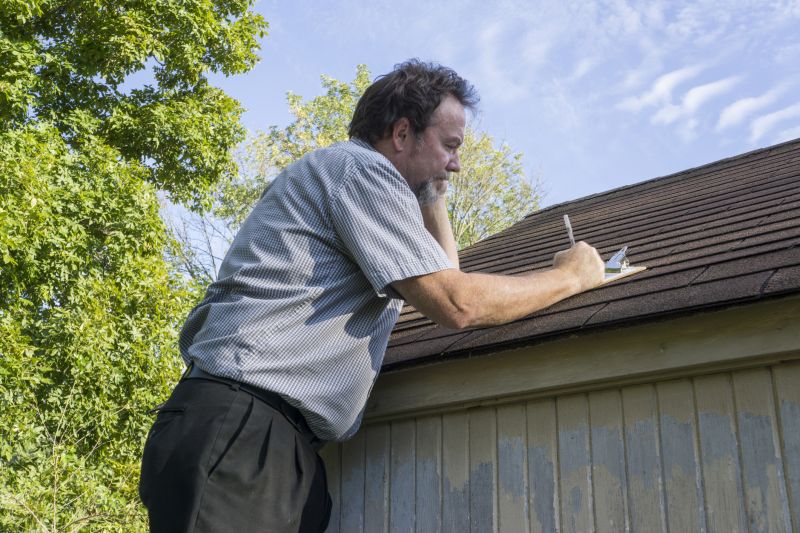
When evaluating local contractors for roof inspection services, it’s important to consider their experience with similar projects. Homeowners should seek service providers who have a proven track record identifying and addressing common roofing issues found during a roof inspection. An experienced contractor will be familiar with the typical signs of wear, damage, or deterioration that can affect roofs in the area, ensuring they can accurately assess the condition of the roof and recommend appropriate repairs or maintenance. This familiarity can provide peace of mind that the inspection will be thorough and reliable, helping to uncover issues that might not be immediately visible to an untrained eye.
Clear, written expectations are vital when comparing local service providers for roof inspections. Homeowners should look for contractors who provide detailed descriptions of their inspection process, what areas will be examined, and how findings will be communicated. Transparent documentation helps ensure everyone is on the same page about what the inspection entails and what potential issues might be uncovered. It also allows homeowners to compare different providers more effectively, ensuring that the chosen contractor’s scope of work aligns with their concerns about common roofing issues found during a roof inspection.
Reputable references and effective communication are key factors in selecting a dependable local contractor. Homeowners should seek out service providers with positive feedback or recommendations from previous clients, as this can indicate a history of quality work and professionalism. Additionally, good communication throughout the process-such as prompt responses to inquiries and clear explanations of findings-can make the inspection experience smoother and more informative. When a contractor demonstrates transparency and attentiveness, it reflects a commitment to customer service, which is especially valuable when addressing issues related to roof health and maintenance.
Property owners often search for common roofing issues found during a roof inspection when they are planning practical projects around their homes and businesses. Local pros provide Roof Inspection services for everyday jobs and straightforward project options.
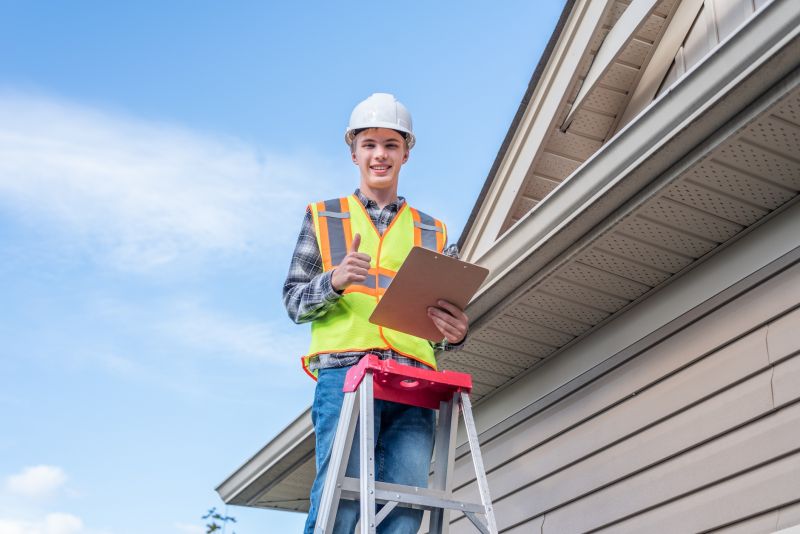
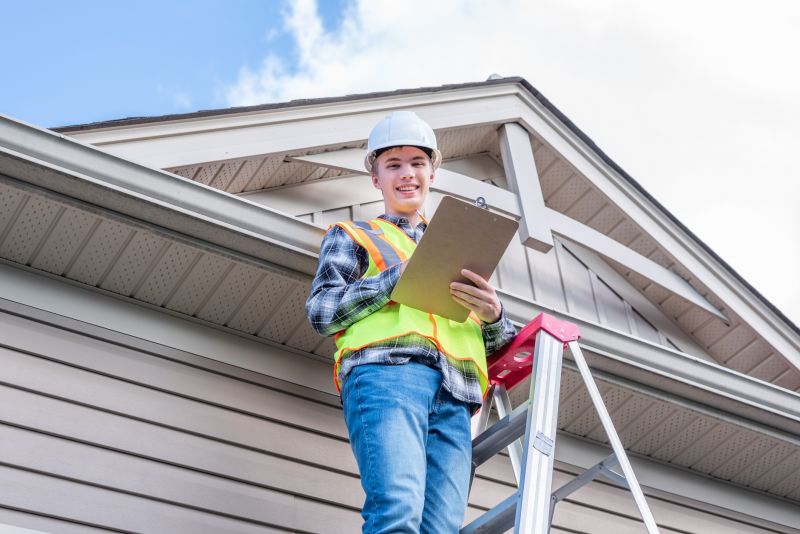
Many property owners in the area seek roof inspection services after noticing signs of damage or wear on their rooftops. Common roofing issues found during a roof inspection often include missing or damaged shingles, which can result from severe weather, age, or improper installation. Additionally, inspectors frequently identify areas where flashing around chimneys, vents, or skylights has deteriorated or become loose, increasing the risk of leaks. Identifying these issues early can help prevent more extensive damage and costly repairs down the line, making professional roof inspections an essential part of maintaining a property's overall condition.
Other typical problems uncovered during roof inspections include the buildup of debris and moss, which can trap moisture and cause roofing materials to weaken over time. Inspections may also reveal signs of water intrusion or leaks that are not immediately visible from the ground, often caused by cracked or curling shingles, or compromised underlayment. Engaging local contractors for a thorough roof inspection ensures that these common roofing issues are accurately diagnosed and addressed promptly, helping property owners protect their investment and maintain the integrity of their roofs.
What are common roofing issues found during a roof inspection? During a roof inspection, common issues include damaged or missing shingles, leaks, deteriorated flashing, and signs of water intrusion or mold.
How can a roof inspection identify potential problems before they worsen? A roof inspection can reveal early signs of damage or wear, such as curling shingles or rusted flashing, allowing for timely repairs to prevent more extensive damage.
What role do damaged flashing and seals play in roofing issues? Damaged flashing and seals can lead to water leaks and water intrusion, which may cause structural damage and mold growth if not addressed during a roof inspection.
Why are missing or broken shingles a concern during a roof inspection? Missing or broken shingles compromise the roof’s protective barrier, increasing the risk of leaks and water damage that can escalate if not repaired promptly.
How do signs of water damage appear during a roof inspection? Signs of water damage include stained ceilings or walls, mold growth, and soft or rotting roofing materials, indicating that water has penetrated the roof system.
Identify damaged or missing shingles - property owners can schedule regular roof inspections to detect shingle issues early, preventing leaks and further damage with help from local contractors.
Check for signs of water intrusion - noticing water stains or damp spots inside the building can prompt a professional inspection to locate and address underlying roof problems.
Inspect flashing and sealants - ensuring that roof joints and edges are properly sealed can help property owners maintain the integrity of their roof through routine inspections by local service providers.
Assess gutter and drainage systems - keeping gutters clear and functional during inspections helps prevent water buildup and potential roof damage caused by poor drainage.
If you are thinking about common roofing issues found during a roof inspection for a property, this guide is meant to help you understand this topic, the typical project types, and how different options might fit your plans.
When you are ready, you can use the quote form on this page to share a few details about your project. From there, local pros can review the basics and follow up with options that match what you have in mind.