How Often Roof Inspection Should Be Scheduled for Residential Homes
People seeking how often roof inspection should be scheduled for residential homes can rely on local contractors to provide expert assessments that help maintain roof safety and longevity.
If you're a homeowner wondering how often roof inspection should be scheduled for residential homes, you're in the right place. Regular roof inspections are a practical way to catch potential issues early, helping to prevent costly repairs down the line. Property owners in the area often explore this topic to ensure their homes stay protected and in top condition, especially given the local weather patterns and the age of their roofs. By staying informed, you can better understand when to bring in local contractors who specialize in roof inspections, ensuring your home remains safe and well-maintained.
Understanding the recommended frequency for roof inspections can seem confusing, but it’s a key part of responsible homeownership. Many local service providers offer expert inspections that can assess the condition of your roof and identify signs of wear or damage before they become serious problems. Whether your home is new or has been standing for years, knowing how often to schedule these inspections can help you plan ahead and maintain the longevity of your roof. Keep reading to learn more about the practical reasons for regular roof assessments and how local pros can assist in keeping your home protected.
- Residential roof inspections are recommended after severe weather events, with local contractors assessing for damage and potential issues. Routine roof inspections are advised for homes in areas with frequent storms or high winds, with service providers performing regular evaluations. Pre-purchase roof inspections help homeowners understand the condition of a roof before buying, as local pros thoroughly examine for hidden problems. Annual or biannual roof inspections are common for maintaining older roofs, with local contractors checking for wear and tear over time. Post-repair inspections ensure that roof repairs were completed correctly, with service providers verifying the integrity of the work.
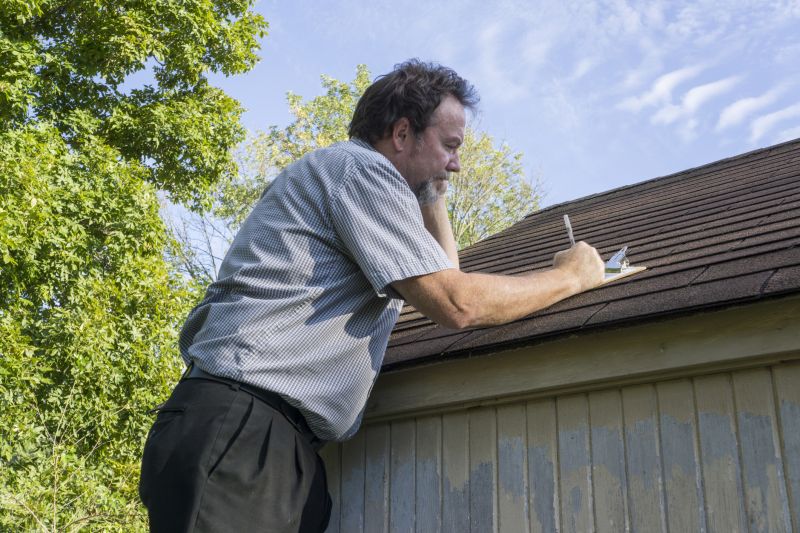

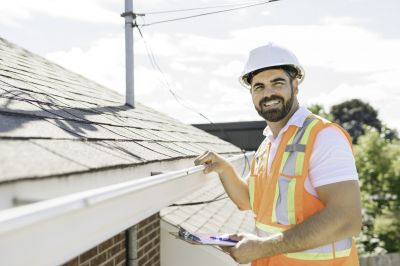
When homeowners search for how often roof inspection should be scheduled for residential homes, they are typically seeking guidance on maintaining their property’s integrity and preventing costly repairs. This inquiry often stems from concerns about weather damage, aging roofs, or recent storm events. Homeowners want to understand the best timing for inspections to catch issues early, such as leaks, missing shingles, or structural weaknesses, before they develop into major problems. The goal is to find a practical schedule that aligns with the specific conditions of their home and local climate, ensuring their roof remains in good condition over time.
Roof inspections are closely related to various home improvement and maintenance plans. Many property owners consider regular inspections when planning for repairs, replacements, or upgrades. For example, if a home has experienced recent storm damage or shows signs of aging, scheduling a roof inspection becomes a priority. Additionally, homeowners preparing to sell or refinance their property often seek inspections to verify the roof’s condition. These inspections help identify potential issues that could impact the home’s value or require immediate attention, making them an essential part of proactive property management.
The types of properties that typically come up in discussions about roof inspection frequency include single-family homes, townhouses, and small multi-family residences. The age and material of the roof influence how often inspections should be scheduled. For newer homes with durable roofing materials, inspections might be recommended less frequently, such as every few years. Conversely, older homes or those with more vulnerable materials may require more regular check-ups. Local contractors who perform these inspections understand the regional weather patterns and common roofing issues, providing homeowners with tailored advice on how often to schedule inspections based on their property type.
Understanding how often roof inspections should be scheduled for residential homes helps homeowners plan routine maintenance and respond promptly to potential problems. Local service providers who specialize in roof inspections can evaluate the specific needs of each property, considering factors like age, material, and local climate conditions. These professionals can identify early signs of damage, assess the overall condition of the roof, and recommend an appropriate inspection schedule. Connecting with experienced local contractors ensures that homeowners stay ahead of issues, extend the lifespan of their roofs, and maintain the safety and value of their homes over time.
Gutter and fascia installation - professionals in this area often perform inspections to assess roof condition and identify potential issues that could affect roof longevity.
Roof repair and maintenance projects - ongoing repairs require regular inspections to determine the appropriate timing for maintenance based on roof condition.
Storm damage assessment services - after severe weather events, local contractors evaluate roofs to identify damage and recommend inspection schedules to prevent further issues.
Home exterior remodeling - projects involving roof upgrades or replacements often include inspections to ensure the existing roof is suitable for modifications and to plan maintenance intervals.
Attic ventilation and insulation services - proper ventilation and insulation depend on roof health, making regular inspections vital for effective planning and upkeep.
Roof cleaning and moss removal projects - these services often require inspecting the roof beforehand to determine the best approach and appropriate timing for maintenance.
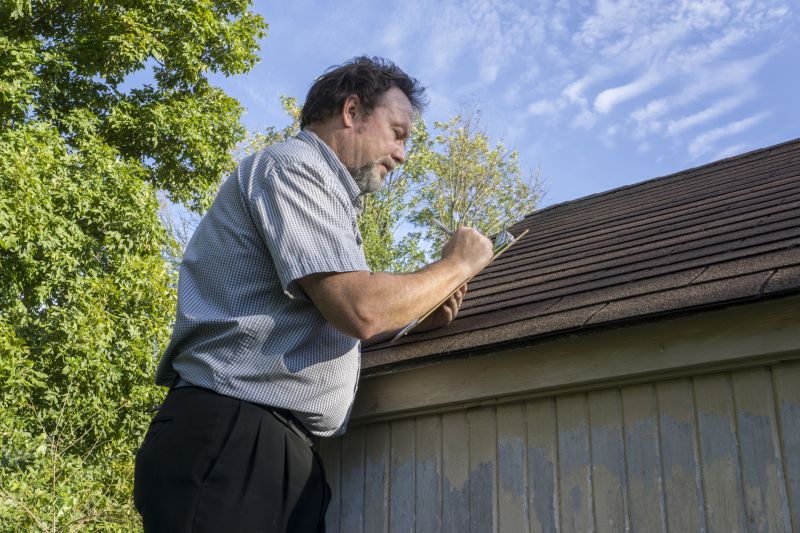
When comparing service providers for roof inspections, it is important to consider their experience with similar residential projects. Homeowners should look for local contractors who have a proven track record of inspecting roofs comparable in size, style, and age to their own homes. A contractor’s familiarity with common roofing materials and typical issues can help ensure a thorough assessment. Additionally, understanding how often roof inspections should be scheduled for residential homes can vary based on factors like climate, roof age, and recent weather events, so experienced local pros can provide guidance tailored to the specific needs of the property.
Clear written expectations are essential when evaluating potential service providers. Homeowners should seek detailed descriptions of what the inspection will cover, including the areas examined and the types of issues that will be identified. This clarity helps set realistic expectations and ensures that all parties are aligned on the scope of work. Reputable local contractors often provide comprehensive service descriptions, which can help homeowners determine if the inspection frequency recommended by the pro aligns with best practices for maintaining roof health and addressing potential problems proactively.
Good communication and reputable references are key factors in selecting a reliable roof inspection service. Service providers who are transparent about their processes and responsive to questions demonstrate professionalism and a commitment to customer satisfaction. Homeowners can benefit from seeking references or reviews from previous clients, especially those with homes similar in age and construction. Establishing clear lines of communication with local pros ensures that homeowners remain informed about the inspection findings and any recommended follow-up actions, helping them make informed decisions about how often to schedule future roof inspections for their residential homes.
Property owners often search for how often roof inspection should be scheduled for residential homes when they are planning practical projects around their homes and businesses. Local pros provide Roof Inspection services for everyday jobs and straightforward project options.
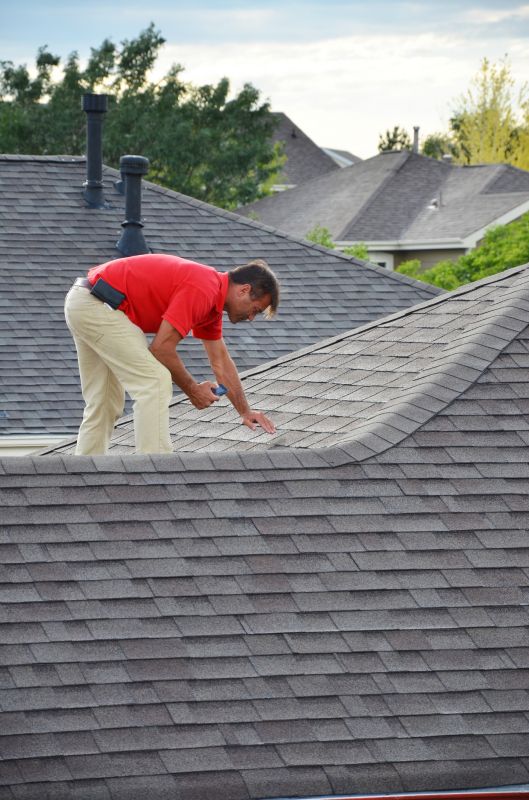
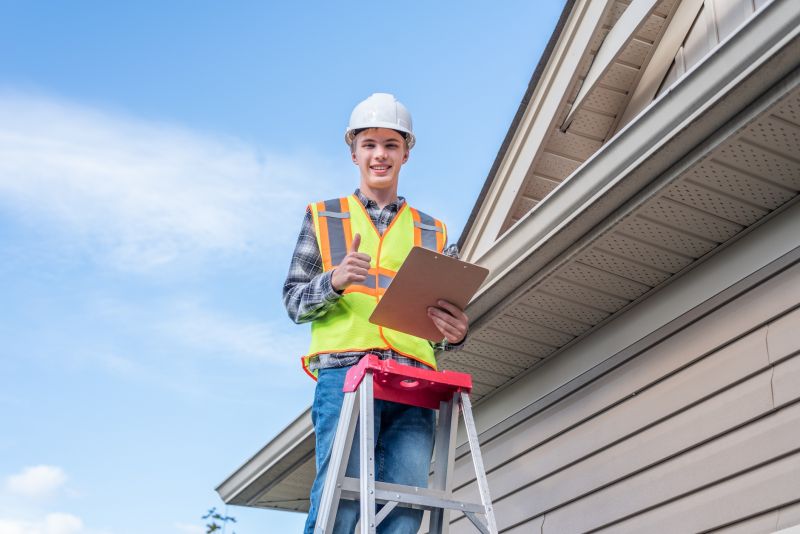
Regular roof inspections are an important part of maintaining a residential property, especially in areas where weather conditions can vary throughout the year. Many homeowners wonder how often roof inspection should be scheduled for residential homes to catch potential issues early and prevent costly repairs. For most properties, scheduling a professional roof inspection once a year is a common practice, providing a routine check-up to identify any damage or wear that may have occurred since the last visit. Additionally, after major storms or severe weather events, property owners often seek out local contractors to assess the roof’s condition and ensure it remains in good shape.
Property owners in the local area also consider the age of their roof when deciding on inspection frequency. Homes with older roofs or those that have experienced previous damage might benefit from more frequent inspections, such as biannual visits, to monitor for signs of deterioration. Local service providers can help determine the appropriate schedule based on the specific needs of each home, offering expert assessments that can extend the lifespan of the roof and maintain its performance. By staying proactive with regular inspections, homeowners can address minor issues before they develop into larger, more expensive problems.
How often should a residential roof be inspected? Typically, residential roofs should be inspected at least once a year to identify potential issues early, with more frequent inspections recommended after severe weather events. Local contractors can provide these regular assessments to help maintain roof integrity.
Is an annual roof inspection enough for a residential home? For most homes, an annual roof inspection is sufficient to catch common problems, but homes in areas with harsh weather conditions may benefit from more frequent checks by local service providers.
When should homeowners consider scheduling extra roof inspections? Homeowners should consider additional inspections after storms, heavy snowfall, or if they notice signs of damage such as leaks or missing shingles. Local roof inspection services can assist with these assessments.
How often should roofs be inspected for homes with existing issues? Homes with known roof problems or aging roofs may require inspections more frequently, such as biannually, to monitor ongoing issues and prevent further damage, with local pros providing these services.
Are seasonal inspections recommended for residential roofs? Yes, scheduling inspections seasonally, especially before winter or after storms, helps ensure roofs remain in good condition. Local contractors can perform these seasonal assessments to help homeowners stay proactive.
Regular inspection intervals - property owners can plan to schedule roof inspections at least once a year to catch minor issues early with the help of local contractors.
Post-storm assessments - after severe weather events, scheduling an inspection ensures any damage is identified promptly by local service providers.
Age-related inspections - as a home ages, periodic roof evaluations can help maintain integrity, with local pros providing expert assessments.
Visible damage checks - noticing signs like missing shingles or leaks can prompt immediate inspections from local contractors to prevent further issues.
If you are thinking about how often roof inspection should be scheduled for residential homes for a property, this guide is meant to help you understand this topic, the typical project types, and how different options might fit your plans.
When you are ready, you can use the quote form on this page to share a few details about your project. From there, local pros can review the basics and follow up with options that match what you have in mind.